
As American schools continue to face rising concerns related to autism, chronic absenteeism, learning delays and youth mental health, specialists are calling for more integrated approaches between education, family support and developmental intervention.
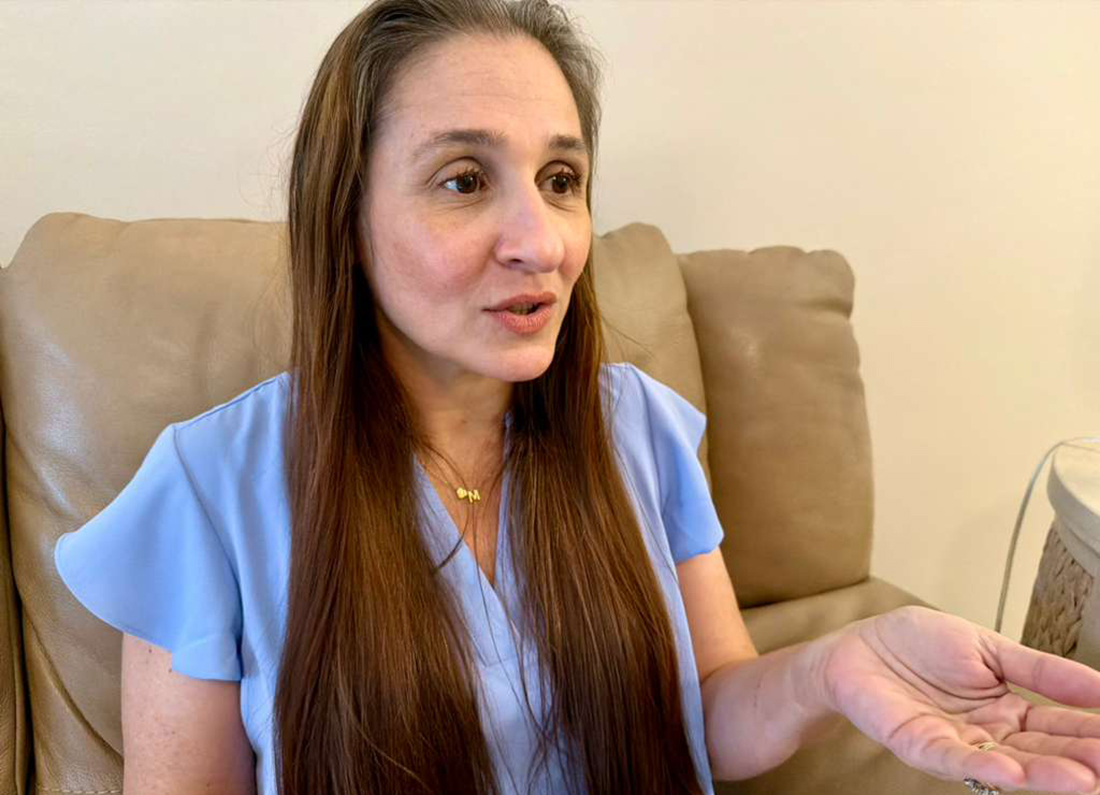
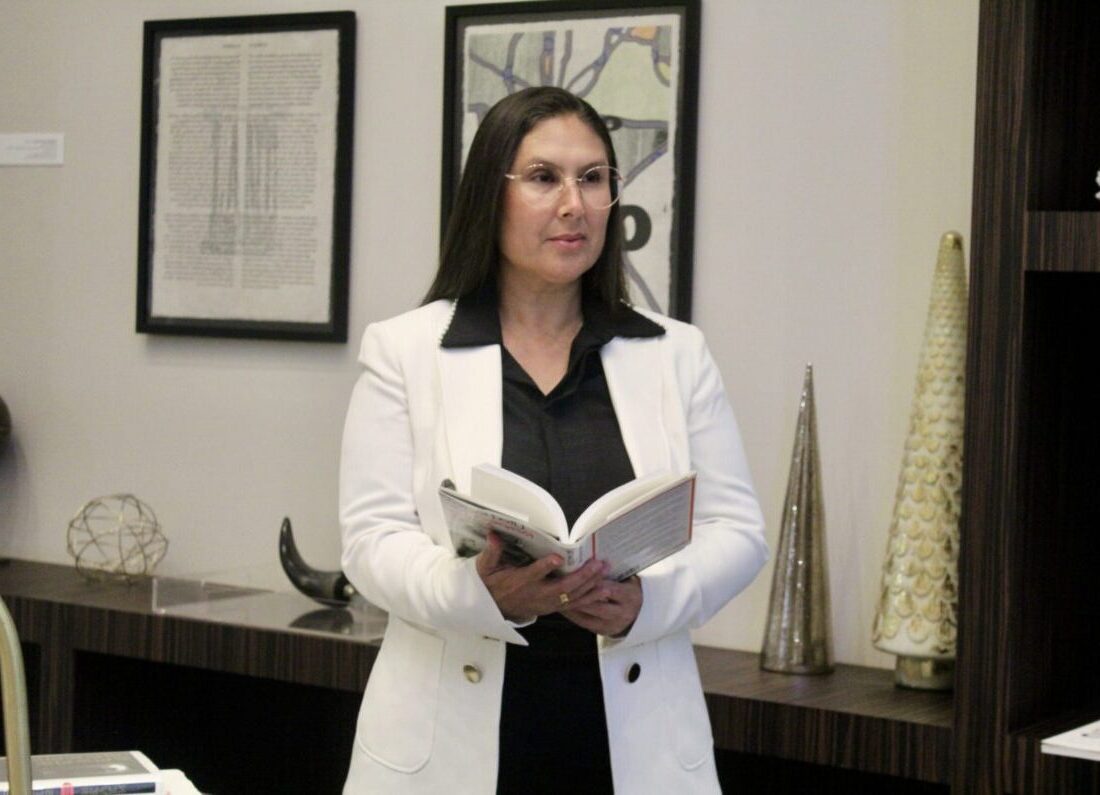
Among the professionals contributing to this discussion is Brazilian educator and psychopedagogical specialist Taise de Lima Modesto, whose work in learning development, formative assessment and multidisciplinary intervention places her at the center of a growing national debate: schools cannot address today’s student challenges through isolated academic strategies alone.
Recent CDC data released in 2025 estimates that autism spectrum disorder now affects about 1 in 31 children aged 8 in the United States, an increase from the previous estimate of 1 in 36. At the same time, the CDC reported that, in 2023, 40% of high school students experienced persistent feelings of sadness or hopelessness, while 20% seriously considered attempting suicide.
Chronic absenteeism remains another major concern. The U.S. Department of Education reported that chronic absenteeism reached about 31% in the 2021–2022 school year and remained high at 28% in 2022–2023. RAND research also found that absenteeism during the 2024–2025 school year remained above pre-pandemic levels, especially in urban districts.
For Taise, these numbers reveal a deeper structural problem. “When a child is absent, anxious, disengaged or struggling to learn, the school cannot look only at grades,” said Taise de Lima Modesto. “Behind academic difficulty, there may be emotional, cognitive, social or developmental barriers. The child must be understood as a whole.”
A pedagogue and specialist in Psychopedagogy, Taise has built her career around the idea that assessment should support learning, not simply measure failure. In one of her documented classroom experiences, she developed a formative and playful assessment model with 5th-grade students, using collaborative activities to increase participation, autonomy and comprehension in History classes.
Her approach aligns with what many U.S. educators are now seeking: practical strategies that connect academic performance with emotional development, student engagement and individualized learning support. “The future of education depends on multidisciplinary action,” Taise said. “Teachers, families, psychologists, speech-language professionals, occupational therapists and learning specialists must work together. Fragmented care produces fragmented results.”
According to the National Center for Education Statistics, 49% of U.S. public schools reported providing diagnostic mental health assessments during the 2021–2022 school year, while 38% provided treatment for mental health disorders. For specialists like Taise, this shows both progress and limitation: schools are increasingly becoming places of mental health support, but many still lack the structure to connect emotional needs with learning intervention.
Taise argues that early identification is one of the most important tools to reduce long-term academic and emotional damage. “A learning difficulty identified early can become a path for intervention,” she said. “A learning difficulty ignored for years can become frustration, low self-esteem, school avoidance and emotional suffering.”
As U.S. school districts search for solutions to absenteeism, mental health challenges and rising developmental diagnoses, Taise de Lima Modesto’s work reinforces a message gaining urgency across the country: children do not need isolated responses. They need coordinated systems of care.
Her professional trajectory, combining pedagogy, psychopedagogy, classroom practice and multidisciplinary intervention, positions her as an important voice in the national conversation about how schools can better support students in a post-pandemic educational landscape. “Education is not only about teaching content,” Taise concluded. “It is about understanding how each child learns, what prevents that child from progressing and what kind of support can transform that trajectory.”