

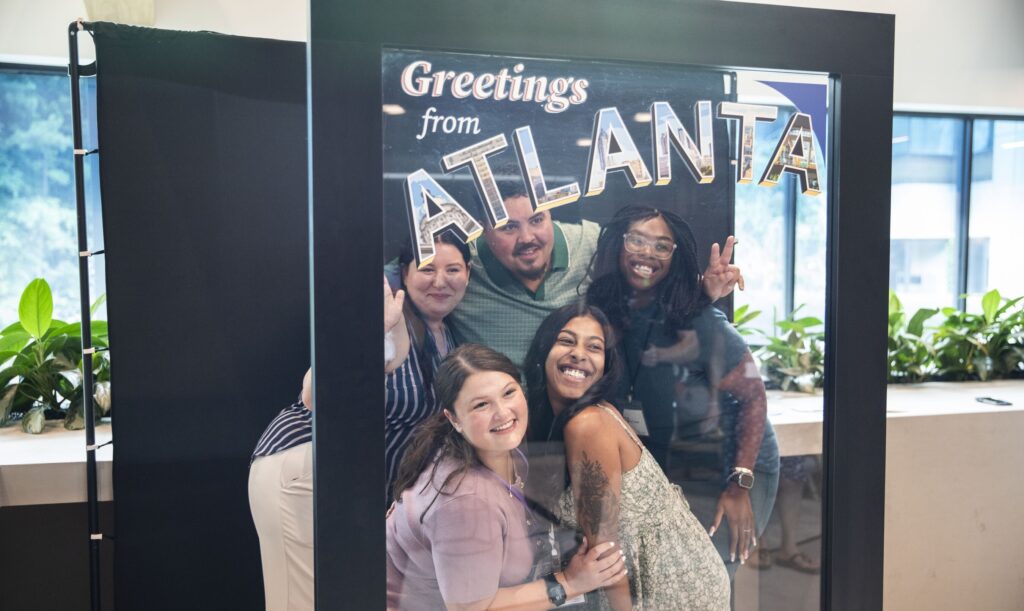
Building on the success of its inaugural event, the 2025 UCB HS Summit focused on amplifying the patient voice and tackling critical unmet needs in the HS community. The event brought together over 100 people from across the HS community on the UCB Atlanta campus and featured interactive discussions and educational workshops focused on storytelling, wellness, nutrition, and advocating for care. Summit sessions also focused on expanding and optimizing earlier treatment of individuals living with moderate-to-severe HS.
ATLANTA — UCB, a global biopharmaceutical company, hosted its 2025 Hidradenitis Suppurativa (HS) Summit, which aimed to create a community forum for open discussion about HS, a dermatologic disease that remains both underdiagnosed and often misdiagnosed.2-3 By bringing stakeholders together, UCB sought to foster a deeper understanding of HS and address the challenges associated with it.
The UCB HS Summit took place August 1-2, 2025, at UCB’s Atlanta campus. The event featured discussions led by dermatologists, advanced practice providers, HS advocacy groups, and patients, sharing personal stories and providing continued education to advance understanding of HS. Key takeaways emphasized the power of patient storytelling in conveying the authentic, day-to-day experiences of living with HS. Participants recognized that while each individual’s journey is unique and involves distinct challenges, the community stands united in its commitment to driving meaningful change.

“The ongoing unmet needs in patient communities like those affected by HS drive our commitment to scientific innovation,” said Camille Lee, Head of U.S. Immunology, UCB. “Building on the success of UCB’s HS Summit last year, we are proud to host the UCB HS Summit, bringing together patients, caregivers, advocates, and healthcare providers during a period of promising treatment options, including BIMZELX®. Despite these positive developments, we recognize the ongoing challenges the community faces, such as the need for more timely diagnoses, earlier treatment, and ongoing education.”
The Summit kicked off with a fireside chat exploring the evolution of the HS landscape in recent years and highlighting the importance of partnership with the HS community to advance care. A joint session between clinicians and patients followed, fostering meaningful discussions around treatment and unmet needs, navigating the healthcare system, and collaborative ways to best support patients.